
Pole Sit Secrets: Rise Above the Ordinary


Imagine yourself suspended gracefully on a pole, defying gravity with a smile. This is the essence of pole fitness, where strength and grace unite to redefine the ordinary. If you’re a pole enthusiast or a newcomer exploring the incredible world of pole dancing, the Pole Sit is an essential skill to master. In this article, we’re going to unravel the secrets behind the Pole Sit. We provide you with a step-by-step guide to mastering this impressive pole skill.
So, grip up as we dive into the art, strength, and magic of the Pole Sit. Get ready to rise above the ordinary and uncover secrets that will elevate your pole fitness game. Are you ready to soar? Let’s begin this exhilarating journey together!
What is a Pole Sit?
If there’s one challenge in pole dancing, it’s the varied names for pole moves. To ensure clarity, let’s define the Pole Sit, also known as the Basic Sit or Ladysit.
Defining the Pole Sit: A Pole Sit is a fundamental move in pole fitness. In its classic form, you’re essentially sitting on the pole. You support your weight with your inner thighs and use one or two hands for balance. This secure pose involves three or four points of contact, making it ideal for beginners and seasoned pole dancers alike.

Beyond the Basics: The Pole Sit is more than just a foundational pole move. It’s a cornerstone for a multitude of other pole poses. It enables smooth transitions between various pole tricks and provides a resting point in routines. More importantly, it opens up opportunities for artistic expression.
Once mastered, the Pole Sit becomes an effortless pose, giving you the freedom to add personal flair. With creative head, arm, and foot movements, the Pole Sit can transform your routine. It’s a favorite among pole dancers for its versatility and the creative touch it adds to performances.
Navigating the Challenges of the Pole Sit
Embarking on your Pole Sit journey is thrilling, but it’s crucial to acknowledge the unique challenges ahead. The Pole Sit isn’t just about grace and poise; it’s a test of perseverance and resilience. As you work towards perfecting this foundational pole move, let’s explore the common hurdles.
1. Dealing with Discomfort
Initially, balancing your body weight on your inner thighs can be uncomfortable. This discomfort is a natural part of the learning process. With practice, your body will adapt, making the pole pose more comfortable over time.
2. Overcoming Bruises
Bruising is common in pole fitness, especially when learning new moves like the Pole Sit. It’s part of the journey, but with proper pole technique and practice, you’ll learn how to minimize and manage them.
3. Building Required Strength
The Pole Sit requires significant strength, particularly in your core and legs. Incorporating specific strength training exercises into your routine can accelerate your progress.
4. Tailoring to Your Body Type
Each body is unique, and it’s essential to adapt the Pole Sit to suit your individual physique. For instance, pole dancers with very slender legs might find performing the Pole Sit with straight legs more challenging due to less thigh grip. In such cases, a variation like the Cross Leg sit can be more accessible and comfortable. Experiment with different techniques and really listen to your body to discover the most effective approach for you. Understanding your body’s strengths and limitations will help you find the Pole Sit variation that not only feels right but also enhances your performance.
Embrace these challenges with enthusiasm and determination. Remember, each hurdle you overcome brings you a step closer to Pole Sit mastery. The journey may be challenging, but the rewards of improved strength, grace, and confidence are well worth it.
The Deceptive Simplicity of the LadySit: Strength, Tolerance, and Grip
While the LadySit might seem easy at first glance, mastering it requires not only strength building and tolerance development but also understanding the correct grip technique.
1. Strength Building Exercises
To perform the Pole Sit, you need strong core and thigh muscles. Engaging in exercises like planks, squats, and leg lifts is essential to build the necessary strength to support your body weight on the pole.
At 123poling.com, our Beginner Fundamentals course is designed to guide you through mastering this classic sit over several lessons. In each lesson, you will practice a variety of on and off the pole exercises. These exercises are carefully curated to ensure that your muscles are well-prepared to handle the physical demands of the Pole Sit.
The course not only focuses on strengthening the required muscle groups but also introduces you gradually to the technique of the Pole Sit. By following the structured progression of our lessons, you’ll develop both the strength and the skill needed to execute this move confidently.
Whether you’re new to pole dancing or looking to strengthen your foundation, our course provides comprehensive training. With consistent practice and dedication, you’ll find yourself performing the Pole Sit with ease and grace, a true testament to your hard work and perseverance.
2. Building Up Tolerance
Initially, the Pole Sit can be uncomfortable, especially on your inner thighs where your body bears most of the weight. Regular practice is key to helping your skin and muscles adapt, making the pose more comfortable over time.
A great way to start practicing for the Pole Sit is by using a squat position. This approach focuses on engaging your thighs and conditioning your skin without the need to lift your legs immediately. By practicing in a squat position near the pole, you can concentrate on building the necessary thigh strength and skin tolerance required for the Pole Sit.
Simultaneously, you can work on exercises that improve your ability to perform clean leg lifts. These exercises will enhance your overall pole fitness and prepare your body for the more advanced aspects of the Pole Sit. Gradually, as you build strength and adaptability, lifting your legs and maintaining the full Pole Sit position will become more manageable and comfortable.
This methodical approach ensures that you develop the physical capabilities needed for the Pole Sit in a progressive and safe manner. With patience and practice, you’ll find yourself mastering the Pole Sit, transforming initial discomfort into a display of strength and elegance on the pole.
3. Understanding the Grip
A crucial aspect of the Pole Sit is the grip. Typically, a regular or pull-up grip is used. This involves gripping the pole with your hands, one hand above the other. This grip provides stability and balance as you lift yourself into the sit position.
Common Mistakes to Avoid in the Pole Sit
Jumping or Hopping into the Basic Sit
A frequent mistake among beginner pole dancers is trying to jump or hop into the Basic Sit. This can lead to a loss of control and may result in hitting the pelvic area against the pole, which can be painful and potentially harmful.
Tip: Approach the Pole Sit with control and precision. Stand next to the pole and gradually lift your legs to cross them around it. If lifting both legs simultaneously is too challenging, start with one. Press one inner thigh against the pole for support, use your hands to pull up, and then lift the other leg to cross. This method ensures a safer and more controlled entry into the Pole Sit, reducing the risk of injury.
Understanding Discomfort and Pain in the Pole Sit
One common mistake among pole dance beginners is not distinguishing between discomfort and pain. The Pole Sit can indeed be uncomfortable and often leads to bruises, especially when you are just starting out. It’s normal for your thighs to turn red and feel sore as they adjust to the pressure of the pole.
However, it’s crucial to listen to your body and understand its limits. Repeatedly practicing the Pole Sit to the point of severe bruising or pain is a mistake. While eagerness to master this pole move is understandable, overdoing it can lead to setbacks in your training.
Tips:
- Moderation is Key: Limit your practice to 3-5 Pole Sits per training session. This helps prevent excessive bruising and allows your body to adapt gradually.
- Allow Time for Healing: If you develop significant bruises, give them time to heal at least halfway before attempting another Pole Sit. Practicing on severely bruised skin can exacerbate the injury and prolong the healing process.
- Reassess Your Technique: If you experience pain, stop and reassess your technique. Pain, as opposed to general discomfort, is an indication that something may be wrong with your approach. Consider seeking guidance from a professional instructor to ensure you’re performing the move correctly.
Remember, patience is crucial in pole fitness. It’s better to progress slowly and safely than to rush and risk injury. Each practice session should leave you feeling challenged yet accomplished, not overwhelmed and hurt. By taking a measured and mindful approach to learning the Basic Sit, you’ll build the strength and technique needed for success without sacrificing your well-being.
Avoiding Pelvic Bone Pressure
A common issue for beginner pole dancers in the Pole Sit is feeling the pole pressing uncomfortably against their pelvic bone. This not only causes discomfort but can also lead to bruising or injury if not corrected.
Tip: Proper positioning of the pole is key. Ensure that the pole is close to your inner thighs but not directly pressing against your pelvic bone. Ideally, position the pole about 1-2 inches away from your pelvis. It’s crucial to remember that the pole should never be pushing on your pelvic bone. By adjusting the pole’s position, you can perform the Pole Sit more comfortably and safely, focusing on thigh engagement rather than enduring unnecessary pain.
Positioning the Pole for Optimal Stability and Ease
In some pole moves, positioning the pole mid-thigh or close to the knees might work. However, for the classic version of the Pole Sit, this approach can make the pose more challenging and less effortless.
Understanding the physics of your body is crucial here. The hips are your body’s center, and your center of gravity is located there. When your hips are far from the pole, gravity pulls them down more strongly, requiring greater strength to maintain your position. Conversely, the closer your body and hips are to the pole, the more stable your position will be, making it easier to hold the Pole Sit.
Tip: To find the most comfortable and efficient position, aim to place the pole about 1-2 inches away from your pelvis, in the thickest part of your thigh. This placement not only ensures comfort away from the pelvic bone but also provides greater stability, leveraging your body’s center of gravity for an easier and more controlled Pole Sit.
Engaging Your Entire Body for a Stable and Graceful Pole Sit
A crucial mistake many beginner pole dancers make is throwing themselves onto the pole without proper muscle engagement. This not only reduces the effectiveness of the pole fitness workout, increasing the risk of injury, but also results in a movement that looks sloppy and clumsy. The Pole Sit, despite appearing easy, requires full-body engagement, from your shoulders down to your toes.
Tips for Full-Body Engagement
- Engage Your Upper Body: Start by pulling down with your arms, activating your biceps. Engage your shoulders and lats by squeezing your shoulder blades together. This will provide stability and control.
- Activate Your Core: Engage your core muscles by pulling your belly button towards your spine. This is crucial for balance and maintaining a straight posture and helps you lift your legs with control.
- Lift Your Legs Correctly: As you exhale, begin to lift your legs. Remember, the engagement doesn’t stop at your core.
- Engage Your Legs: Activate your quadriceps to keep your legs straight. This engagement is vital for maintaining the correct position and ensuring a graceful execution.
- Don’t Forget Your Feet: Engage your ankles and point your toes downwards.
By engaging all these muscle groups, you ensure that the Pole Sit is performed correctly and looks effortless. It’s a reminder of how many muscles work together to execute this classic fundamental pole move. Mastering this level of coordination and strength is what makes pole fitness both challenging and rewarding.
Exploring the 5 Types of Fundamental Pole Sits
Besides the classic Pole Sit, there are other variations that are essential for a well-rounded pole fitness repertoire. Each type offers unique challenges and benefits:
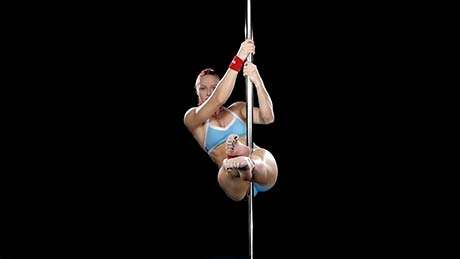
1.Tilted Sit
This variation resembles the classic Pole Sit, but with a twist — literally. Your hips are tilted in this pole pose, allowing for a greater range of movement. This slight adjustment changes the dynamics of the sit and offers more versatility in your routines. Learn this move here.
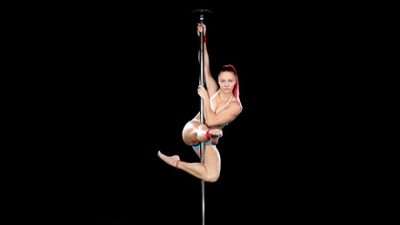
2. Tilted Sit with Leg Hook
Building on the tilted sit, this version adds a leg hook. The leg hook creates an additional point of contact with the pole, increasing the stability of the pose. This is a great progression from the standard tilted sit as it adds complexity and security.
3. Cross Leg Sit
As mentioned earlier, the cross leg sit involves crossing your legs while sitting on the pole. This variation adds an additional security as crossing of the legs provide a tighter grip.

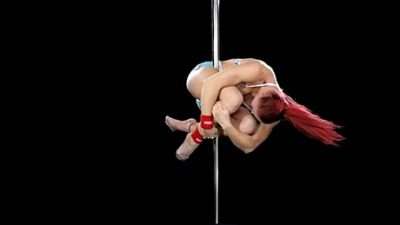
4. Bullet Sit
The bullet sit is a more advanced and extremely secure variation. It starts as a tilted sit with a knee hook, but requires additional strength and control. Despite its complexity, once mastered, the bullet sit offers a highly stable and impressive pose.
5. Sideways Sit
Different from the other sits, the sideways sit involves positioning yourself to the side of the pole, with both knee pits hooked around it. This unique positioning makes the side sit a useful and intriguing variation, offering a different approach to sitting on the pole.

Each of these sits brings its own set of challenges and aesthetic qualities, adding depth and variety to your pole fitness journey. Learning these fundamental pole moves not only enhances your pole skills but also broadens your range of expressive possibilities in pole dancing.
Beyond the Basics: Exploring Pole Sit Variations
Once you’ve got a firm grasp on the fundamental pole sits, the door to an exciting array of variations and combinations swings wide open. This is where your journey in pole fitness takes an exhilarating turn, allowing you to delve into more intricate and expressive moves.
Imagine this: after learning the basic sit, your next challenge could be the wrist sit. This variation adds a twist to the classic pose, challenging your balance and grip in new ways. Then, as you become comfortable with the tilted sit, you’re ready to step up to the Cross Leg Sit. This move demands more pole skills, but the elegance it brings to your routine is unmatched.

The journey doesn’t stop there. Once you’ve mastered the tilted sit with a leg hook, why not venture into the pose sit? This variation not only looks impressive and graceful but also tests your stability further.
And there’s more: after you’re confident with the pole sit with your legs crossed, you could explore the upright triangle knot. This move is a beautiful blend of strength and grace, adding a visually striking element to your performances.

Lastly, for those who have perfected the side sit, the Padlock awaits. This pose is a testament to your progress, showcasing your ability to handle complex moves with finesse.
With each new variation you learn, your repertoire expands, and so does your ability to express yourself through pole fitness. These pole moves are not just physical feats; they’re art forms, allowing you to tell a story, evoke emotions, and captivate an audience.
Remember, the beauty of pole fitness lies in its endless possibilities for growth and creativity. Each new pole move you master opens up another path to explore, keeping your journey fresh and exciting.
50 Pole Sits – No Way!
After the detailed review into the fundamentals and nuances of the Pole Sit in our article, why stop there? Our Pole Sit Bookmark Folder is here to take you further. This collection, featuring 50 video pole fitness tutorials, covers every variation of pole sit imaginable. From the basic comfort of your first sit to the thrill of mastering twisty and intricate moves, there’s a variation for every level of enthusiast. Perfect for those looking to broaden their skills or add a creative twist to their pole routines, this resource is an ideal next step.
Not So Basic Pole Sit Challenge

Feeling inspired by the journey through the Pole Sit’s secrets? The Not So Basic Pole Sit Challenge awaits you. It’s designed to challenge your newly acquired knowledge and push your boundaries. This challenge isn’t just about repeating what you know; it’s about applying it in new and exciting ways, encouraging creativity, and enhancing your pole practice. Whether you’re refining your pole basics or pushing into new territory, this challenge connects directly to the core skills and concepts explored in our article.
Unlimited Access to Pole Mastery
To fully embrace the wealth of knowledge and skill-building opportunities highlighted in our article, consider joining our community. A 15-day free trial grants you unlimited access to our extensive library of pole lessons & courses, including the Pole Sit Bookmark Folder and entry into the Not So Basic Pole Sit Challenge. It’s your all-access pass to deepening your pole practice, connecting with a supportive community, and continuing your pole journey with confidence. Whether you’re a beginner pole dancer or looking to level up, these resources are tailored to support your growth and passion for pole dancing.
Dive deeper, challenge yourself, and transform your pole dancing journey with us. Your adventure into the art and strength of pole sits—and beyond—is just getting started.
Embracing the Journey of Pole Sit Mastery
As we conclude our exploration of the Pole Sit and its variations, it’s clear that this journey is about much more than just mastering a series of pole moves. It’s a journey of self-discovery, resilience, and artistic expression. From the fundamental sits to the more advanced variations, each step you take enhances not only your physical strength and pole skill but also your confidence and creativity. The Pole Sit, in all its forms, is not just a technique; it’s a celebration of the extraordinary capabilities of the human body and spirit. Whether you’re at the beginning of your pole fitness journey or further along the path, remember that each practice, each challenge, and each triumph brings you closer to realizing your full potential in this exhilarating art form. So keep soaring, keep exploring, and most importantly, enjoy every moment of your pole fitness adventure.


Great read, alot of inspiration an knowledge, thank you 123poling xx♥️
That is nice of you. Glad you got some good insights!