
Slipping hands on the pole can be a frustrating challenge for pole dancers of all levels, from beginners to experienced performers. As you engage in the captivating art of pole dancing, you may encounter moments when your grip feels insecure, hindering your fluidity and control. Why are hands are slipping on the pole at the first pole? In this article, we will talk about 8 reasons why hands are slipping on the pole and effective solutions for this common problem. By recognizing these factors, you can better tailor your approach to address the specific challenges you may encounter during your pole dancing practice.
1. Pole Hygiene #
One of the factors that can cause hands to slip on the pole is as simple as the pole not being clean. A dirty pole can accumulate residues, such as oils, lotions, or grip aids, which can make the surface slippery. When there is a build-up of these substances, it reduces the friction between the hands and the pole, making it difficult to maintain a secure grip.
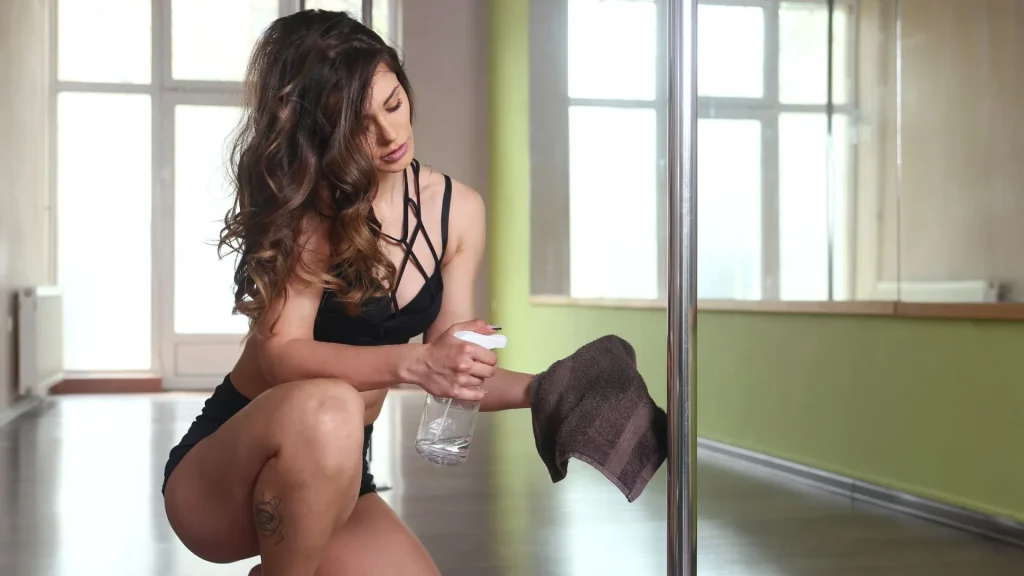
SOLUTION
Clean the Pole. Wipe down the pole with a clean cloth & rubbing alcohol to remove any oils, lotions, or grip aids that may have built up. Sometimes poler wipes the pole after every move they practice.
2. Sweaty Hands #
One of the main culprits behind slipping hands is sweat. We all sweat some people sweat more, some less. Our hands are not an exception. Sweat creates a slippery surface, reducing the friction between your hands and the pole.
SOLUTION:
To combat this, follow the following regimen:
1 Wash your hands with soap thoroughly.
2 Ensure that your hands are dry before gripping the pole. Use a towel or grip cloth to remove excess moisture.
3 Sanitize your hands. It sounds pretty surgical but it does work. Sanitize your hands with rubbing alcohol or sanitizer solution that does not contain any moisturizing components.
4 Consider using grip aids such as liquid chalk, dry hands, or grip gloves to improve your grip on the pole. Gripping aids can provide extra traction and reduce slipping. Experiment with different types of gripping aids to find the one that works well for your hands and the specific conditions you are practicing in.
3. Improper Pole Grip Technique #
Incorrect hand placement and pressure can contribute to compromised pole grip. Lack of familiarity with different grip variations can also be a factor.
SOLUTION
Review your pole grip technique and ensure you are using the correct hand placement and pressure. Experiment with different grip variations, such as cup grip or hook grip, to find the one that works best for you. Seek guidance from a pole dance instructor to ensure you are using optimal grip technique. Learn about different grip types & techniques on our website for free.
Sometimes it is as simple as squeezing the pole a bit harder with your hands.
3. Insufficient Grip Strength #
Weak grip strength can make it difficult to maintain a secure hold on the pole, leading to slipping.

SOLUTION
Work on improving your grip strength through specific exercises and conditioning. Incorporate exercises like wrist curls, finger pull-ups, and hanging exercises to strengthen the muscles in your hands and forearms. Use grip-strengthening equipment to work out your hands and forearms. For example, a simple motion of squeezing a tennis ball in your hands will make a significant difference in your pole dancing practice.
4. Pole Material and Condition #
The material and condition of the pole itself can affect the grip. Brass poles, for example, generally provide more grip than other materials. A brand-new pole might be slightly more slippery until it develops some wear.
SOLUTION
If possible, choose a pole with a material known for its grip, such as brass. Be aware that a brand-new pole might require a bit more effort to maintain a secure grip. Consider using grip aids such as liquid chalk, dry hands, or grip gloves to enhance your grip on the pole. You can even apply dry hands directly on the pole.
5. Weather Conditions #
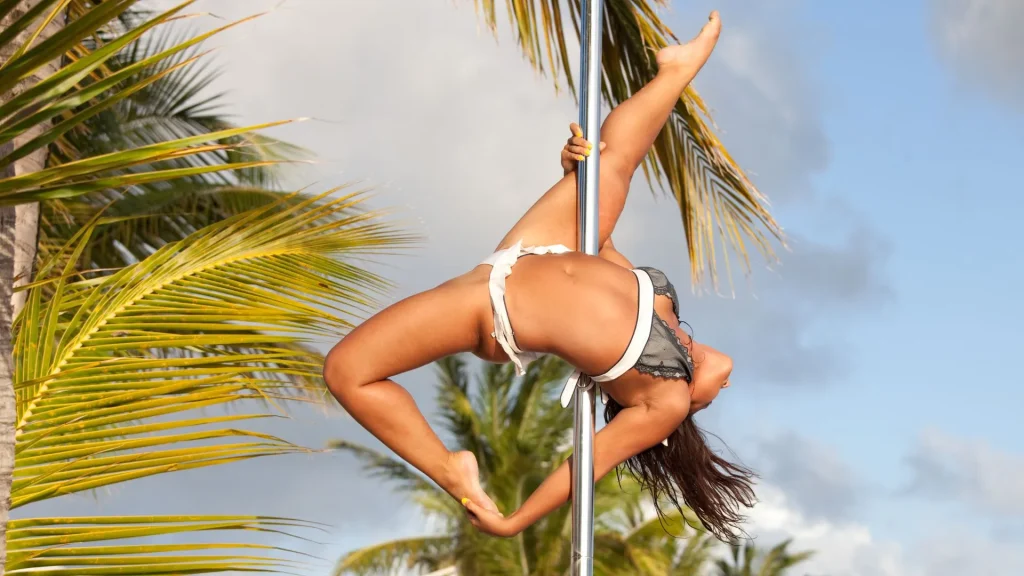
Extreme temperatures, whether too cold or too hot, can impact the pole’s surface and your ability to grip it securely.
SOLUTION
Be mindful of the weather conditions when practicing. In colder temperatures, warm up your hands and the pole before starting. In hotter temperatures, use a grip aid or take breaks to let your hands cool down and dry off.
6. Micro Stress and Tension will Make You Slip off the Pole #
Have you noticed your hands sweat more before an exam or an important interview? It is only natural and it is the same when it comes to pole dancing. When learning new moves or attempting challenging routines, there may be a level of micro-stress and tension might be the reason why hands are slipping on the pole.

SOLUTION
Recognize that slipping can occur during the learning process. Take your time, take a deep breath, and try to calm your mind.
Focus on proper technique, use a spotter, and gradually build your confidence and familiarity with the moves. Seek guidance from a qualified pole dance instructor for personalized advice and corrections to your technique.
7. Hands are too smooth #
If your hands are too smooth, it can be challenging to maintain a secure grip on the pole during pole dancing practice. Smooth hands lack the natural texture needed to create friction between the skin and the pole, leading to frequent slipping and compromising your ability to execute moves with confidence.
SOLUTION
There are several solutions you can try. First, consider using grip aids such as liquid chalk or grip gloves to enhance traction between your hands and the pole. These products can add a layer of grip to your hands, compensating for the smoothness. Additionally, build calluses. Over time, with regular practice, your hands may develop calluses, which can provide additional grip on the pole. However, it’s important to keep your calluses smooth and maintain proper hand hygiene to prevent them from becoming rough or causing discomfort.
8 Hydrohydrosis #
Hyperhidrosis, a medical condition characterized by excessive sweating, can contribute to hands slipping on the pole during pole dancing practice. The increased moisture caused by hyperhidrosis can create a slippery surface, reducing the grip between the hands and the pole. Individuals with hyperhidrosis may find it challenging to maintain a secure hold, which can affect their performance and confidence.
SOLUTION
To address this issue, several steps can be taken. Firstly, consult with your doctor to discuss potential treatment options for managing hyperhidrosis, such as topical or oral medications. Additionally, using grip aids specifically designed for sweaty hands, such as antiperspirant lotions or powders, can help reduce excessive moisture and improve grip. By managing hyperhidrosis and utilizing appropriate grip-enhancing techniques, individuals can mitigate the impact of excessive sweating on their pole dancing experience.
By implementing these solutions, you can overcome the issue of slipping your hands on the pole and enhance your pole skills.
Despite all, remember, safety should always be a priority. If you find that your hands are consistently slipping and you are unable to maintain a secure grip, it’s important to assess the situation and consider seeking guidance from a qualified pole dance instructor. They can provide personalized advice, corrections to your technique, and recommendations for grip aids that may work well for you.


