
When I took my first pole class in 2007, I had no idea what I was doing—or what I should be doing to progress faster. I want to share 3 tips to start pole dancing the right way so you can avoid common mistakes, build strength, and improve your technique from day one. Looking back, there are definitely a few things I would do differently. These tips can save you time, frustration, and muscle imbalances!
Fast forward to now, and the pole dancing community has evolved tremendously. Pole fitness is booming, online pole lessons are more accessible than ever, and the knowledge available to beginner pole dancers is incredible. Looking back at my journey, there are three major things I would do differently if I had to start pole dancing all over again. If you’re a beginner pole dancer, take notes—this might save you from some common mistakes!
1. Train Every Trick on Both Sides #
This is probably the number one thing I would change about my pole training. In my early years, I was just excited to land new pole tricks—get it once, check it off, move on. Back then, the idea of training both sides wasn’t even discussed. I didn’t realize how much of an impact this would have down the road.
Around 2012, more pole dancers started emphasizing the importance of training tricks evenly on both sides. By then, I had already developed muscle imbalances, which led to a lot of pain & rehab. Moves like the shoulder mount, handspring, and even simple pole spins felt completely unnatural on my non-dominant side. I had to spend extra time unlearning bad habits and rebalancing my strength.
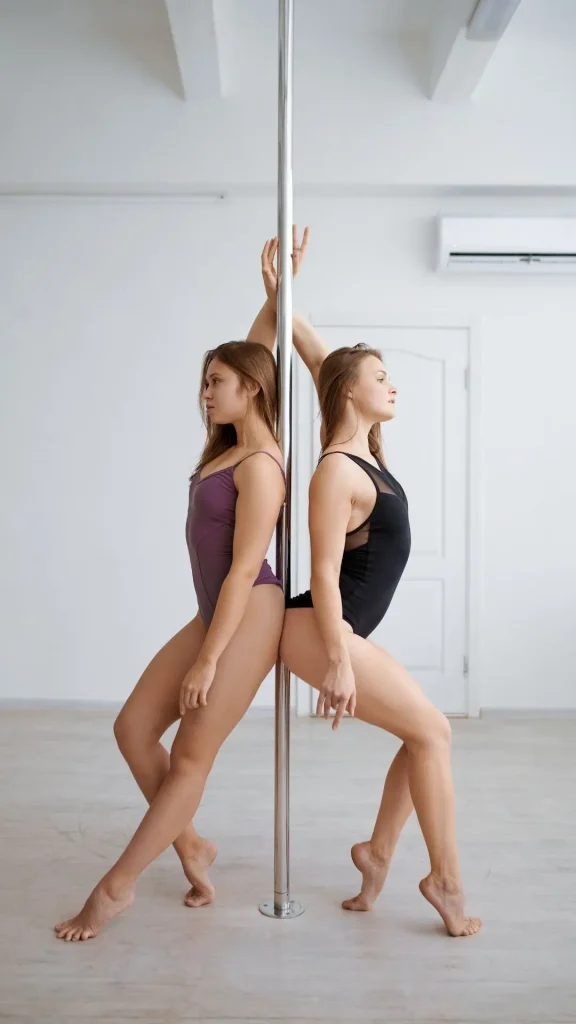
If I could go back, I would religiously train every single pole trick on both sides from day one. Even if it feels awkward at first, building symmetry in your strength and muscle memory is essential for long-term pole progress. Plus, it prevents injuries caused by overusing one side of your body.
👉 Beginner tip: When learning new pole tricks, always train your weaker side first. This forces you to focus on good technique instead of relying on strength alone.
2. Incorporate Targeted Pole Conditioning #
When I first started pole dancing, my idea of pole conditioning was doing some sit-ups, push-ups, and whatever general exercises I thought would help. And yes, those are still a great way to get stronger in pole. But if I had known then what I know now, I would have focused on pole-specific conditioning much earlier.
Pole dancing requires unique muscle engagement, especially in areas like the grip muscles, rotator cuffs, and deep core stabilizers. Many beginner pole dancers struggle with pole moves like the invert, pole sit, or shoulder mount simply because they haven’t built the right strength yet.
Targeted Exercises #
If I could do it all over again, I would add more targeted exercises like:

Grip strength drills – Leg lifts & tucks with varies pole grips, wrist curls, and squeezing a stress ball to improve hand endurance.
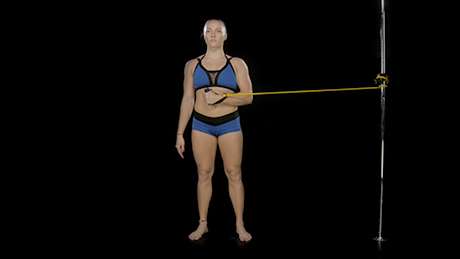
Shoulder and back engagement – Using resistance bands to strengthen the muscles used for climbing and aerial inverts.

Leg and hip engagement – Many beginner pole dancers don’t realize how much the inner thigh muscles (adductors) are needed for moves like the pole sit and leg hangs.
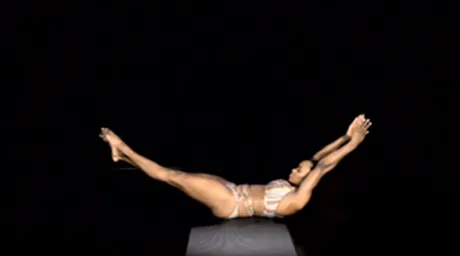
Core activation – Instead of just crunches, I’d focus on deep core exercises like hanging knee tucks and hollow body holds.
At 123Poling, we created a dedicated Pole Bootcamp Series that includes both off-the-pole and on-the-pole targeted conditioning exercises. This program is designed to prevent injuries, improve performance, and build strength, endurance, and flexibility specifically for pole dancers. Whether you’re working on inverts, grip endurance, or overall body control, these exercises help you develop the essential muscles needed to progress safely and confidently in your pole journey.
👉 Beginner tip: If a pole move feels impossible, it’s likely a strength issue, not a technique issue. Strengthen the right muscles off the pole, and it will become much easier!
3. Invest in Online Pole Education #
The third thing I would do differently? I wouldn’t rely solely on in-person pole classes. When I started pole dancing, there weren’t many structured resources outside of pole studios. If you didn’t have a great pole instructor, you had to figure things out the hard way.
That’s exactly why I co-founded 123Poling.com—to provide pole dancers with step-by-step pole lessons, structured pole courses, and expert guidance from top international pole instructors. While learning in a pole studio is amazing, online pole tutorials give you the ability to:
✅ Rewatch pole lessons anytime to fully understand techniques.
✅ Learn at your own pace without feeling rushed in a class.
✅ Get expert guidance from pole champions and experienced pole instructors.
✅ Fill in gaps in your pole training if you don’t have access to a pole studio.
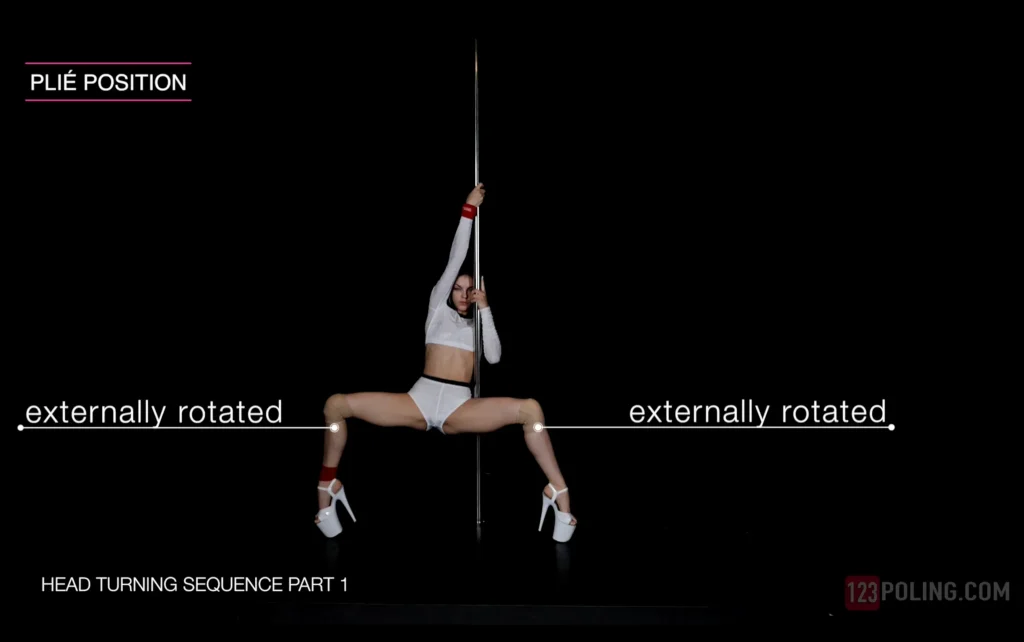
If I had access to online pole courses when I first started, I would have progressed so much faster and with fewer bad habits. That’s why I highly recommend that every pole dancer—whether you train at a studio or at home—take advantage of the incredible online resources available today.
🎉 Special Offer: To celebrate Women’s Day, we’re offering lifetime access to 123Poling for a one-time payment. No subscriptions, no hidden fees—just unlimited pole education for life.
Final Thoughts
If you are ready to start your pole dancing journey, learn from my mistakes! Train both sides, prioritize pole-specific conditioning, and invest in structured pole education. Doing these three things will save you years of frustration and help you progress smoothly while preventing injuries.
So tell me—what’s one thing you wish you knew when you started pole dancing? Drop it in the comments!


